Free REALM Fiji app lo
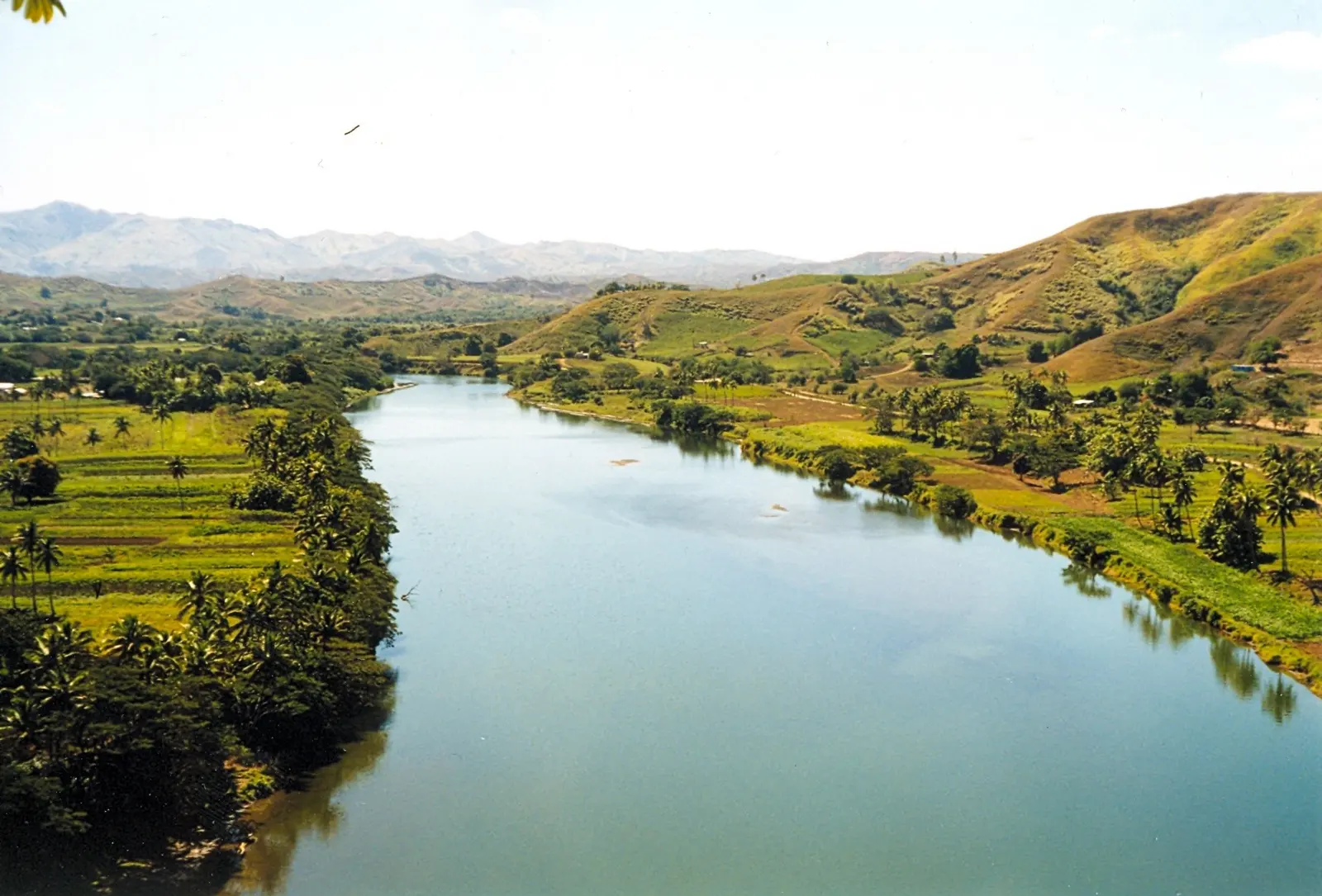
Sigatoka River aur ghaati ke kheti zameen, Viti Levu
Fiji guide

Fiji me kheti

From cane country in the west to dalo, yaqona and copra on the outer islands: a plain guide to Fiji's divisions, seasons and farm life.

Bula, and welcome

Ni sa bula vinaka!

Fiji is more than 300 islands, and home to iTaukei, Indo-Fijian, Rotuman, Chinese, European, Pacific Islander and many other families. Farming here is often family and community work: cane farms that have passed down the generations, village gardens of dalo and cassava (tavioka), yaqona on the hillsides and copra on the outer islands.

Most land in Fiji is iTaukei land, held by landowning groups (mataqali). Leases of iTaukei land are arranged through the iTaukei Land Trust Board (TLTB), so check the lease before you buy, sell or plant on any block.

New to Fijian farm words? Our farm words glossary explains 20 of them, from bula to vinaka. Need to know who to ask about cane, land, loans or biosecurity? See the Fiji farm help directory.

REALM Group Fiji is the Fiji site of REALM Group Global. Fiji office details are coming soon; until then our head office team in Australia is happy to help.

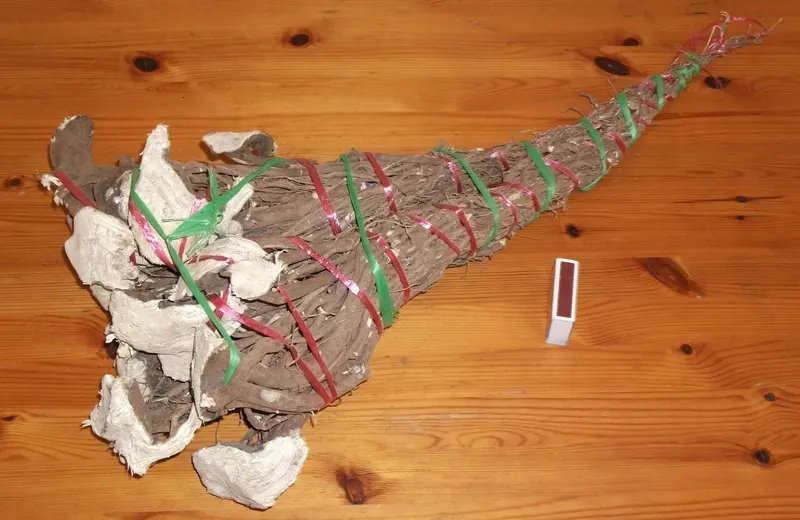
A bundle of dried yaqona (kava) roots
Yaqona (kava) roots, the traditional sevusevu gift. Photo: Hsz282, public domain.
On the farm this season · October

Sukha mausam

Thanda, sukha mahina aur barabar hawa. Ganna kaate aur pirai aksar May se December tak chalta.

  • Apne sector office aur mill ke saath ganna kaate aur dhoe ke plan banao
  • Sukha pachchim taraf jaanwar ke paani pe dhyaan rakho
  • Bada lagaae, zameen taiyaar kare aur masheen service ke achchha time
JanFebMarAprMayJunJulAugSeptOct (now)NovDec

Paani aur toofan ke mausam (1 Nov se 30 Apr) Dry season; cane crushing usually about May to December

Four divisions · 14 provinces · Rotuma

Fiji, division by division.

What is grown where, in broad strokes. Every farm is different, so talk to your local agriculture office for advice on your own block.

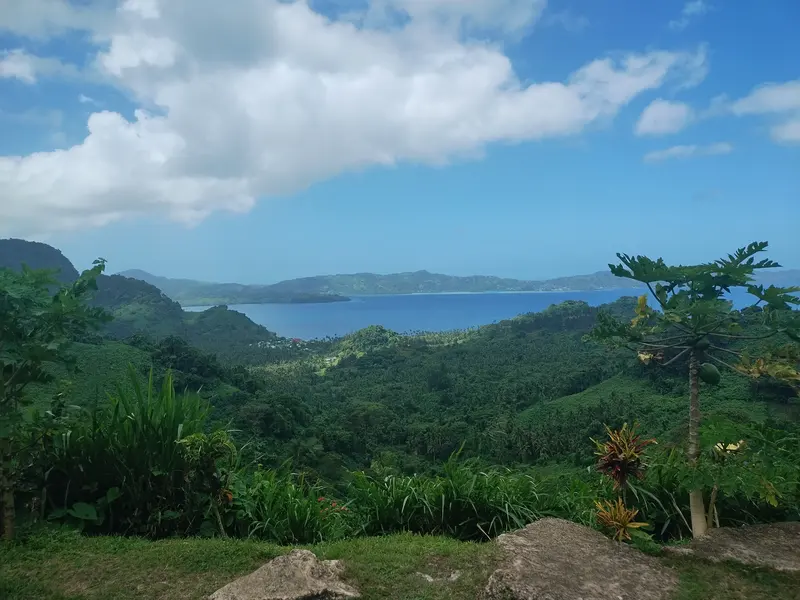
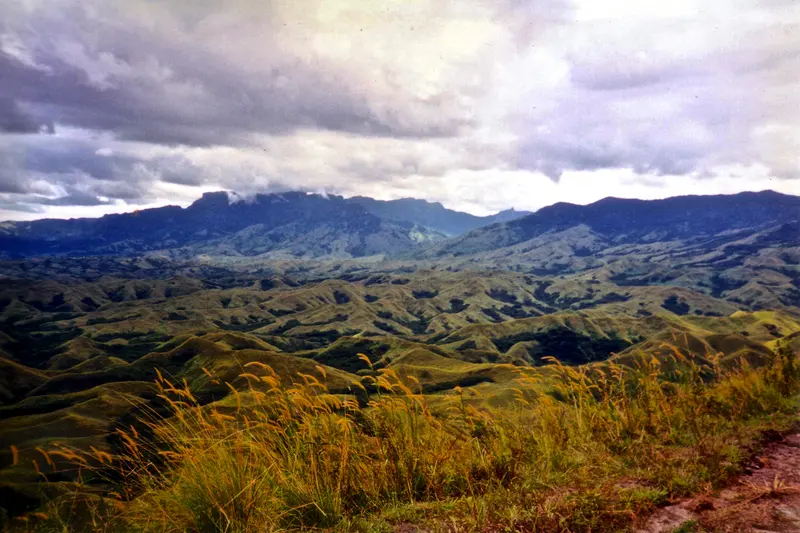
The Nausori Highlands, Viti Levu

Central Division

Divisional centre: Suva

  • Naitasiri
  • Namosi
  • Rewa
  • Serua
  • Tailevu
  • Rice growing around Navua and near Nausori (Lakena)
  • Dalo (taro) and ginger in the Naitasiri highlands are widely reported
  • Dairy farming is associated with Korovou and north Tailevu
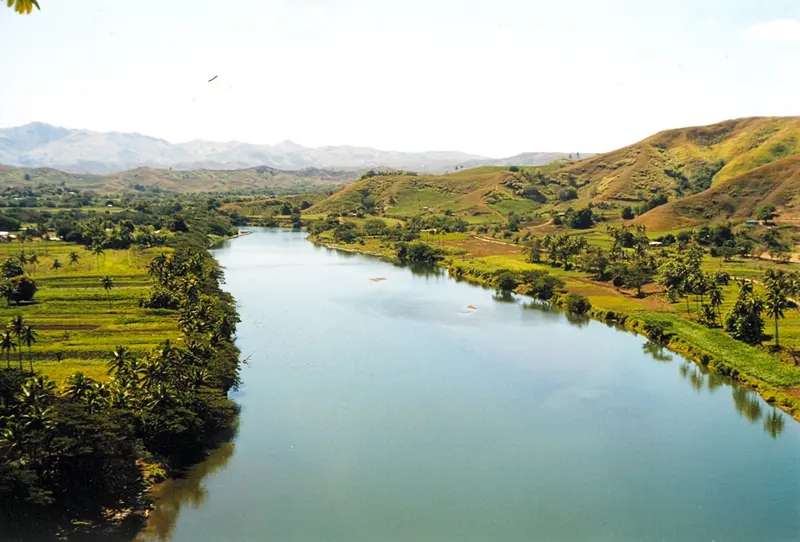
The Sigatoka River and valley, Viti Levu

Western Division

Divisional centre: Lautoka

  • Ba
  • Nadroga-Navosa
  • Ra
  • Sugar cane across western Viti Levu, with Fiji Sugar Corporation mills at Lautoka and Rarawai (Ba)
  • The Sigatoka Valley, known as the "Salad Bowl of Fiji", for vegetables and fruit
  • Cattle grazing on the drier western hills
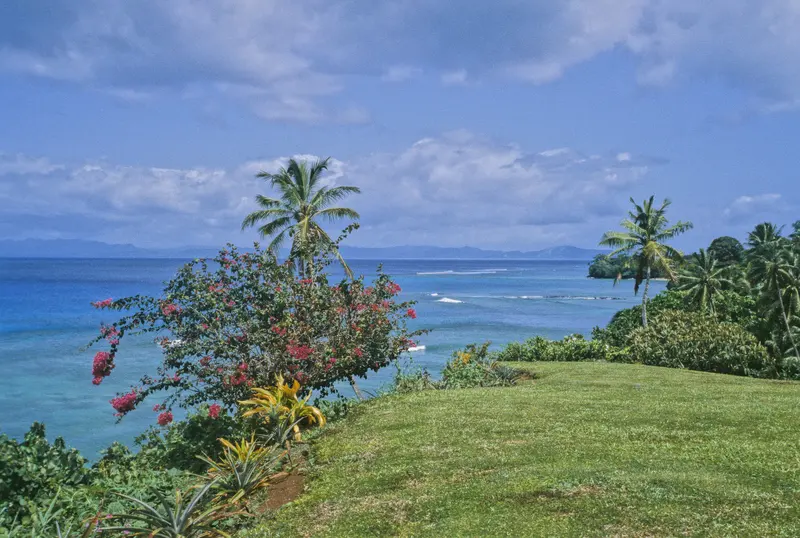
Savusavu Bay from Urata Lookout, Vanua Levu

Northern Division

Divisional centre: Labasa

  • Macuata
  • Cakaudrove
  • Bua
  • Sugar cane around Labasa, served by the Labasa mill
  • Rice at Dreketi (Macuata)
  • Coconut and copra; Taveuni is well known for dalo and yaqona (kava)
Taveuni, looking toward Matagi island

Eastern Division

Divisional centre: Levuka

  • Lomaiviti
  • Kadavu
  • Lau
  • Rotuma (Dependency, counted with the Eastern Division for the census)
  • Coconut and copra on the outer islands
  • Kadavu is known for its yaqona (kava)
  • Fishing and the PAFCO tuna cannery at Levuka (Ovalau)

Rotuma is a dependency of Fiji with its own council; it is counted with the Eastern Division for the census.

Be cyclone ready

Numbers to keep by the phone.

Calls to these national numbers are free from any phone in Fiji. In a cyclone, follow the advice of the Fiji Meteorological Service and the National Disaster Management Office.

  • Before the season: clear drains, trim trees near sheds, check roofing iron and tie-downs
  • Move stock to higher ground away from rivers when a warning is issued
  • Store seed, feed, fuel and papers high and dry; keep a torch and radio with spare batteries

Numbers from the Telecommunications Authority of Fiji, checked 2 October 2026. More contacts for weather and disasters: Fiji farm help directory.

Make your farm cyclone plan

Visiting a village

Respect comes first.

Going to a village to see land, buy produce or meet a seller? These simple customs show respect to the people who welcome you.

  1. Ask before entering a village; visitors usually present a sevusevu (yaqona roots) to the chief or village headman.
  2. Dress modestly: cover shoulders and knees; a sulu is a good idea.
  3. Take off hats and sunglasses in the village, and shoes before entering a home.
  4. Never touch a person's head.

Words like sevusevu, sulu aur turaga ni koro are explained in our glossary.

Source: Tourism Fiji guidance on village visits.

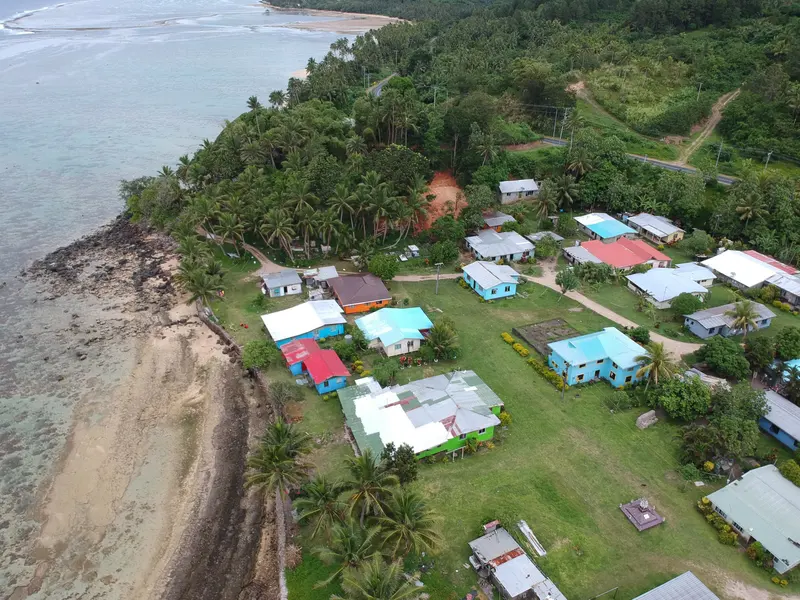
Votua Lalai village on the Coral Coast, Viti Levu
Votua Lalai village, Coral Coast. Photo: Maksym Kozlenko, CC BY-SA 4.0.
How this site writes things

Local formats.

Money
Fiji dollars, written FJ$ or FJD
Dates
Day first: DD/MM/YYYY, e.g. 10/10/2026 (Fiji Day)
Time
Fiji Time, UTC+12 all year round
Phone
+679, then 7 digits; no area codes
Units
Metric: hectares, tonnes, kilometres, litres
Spelling
British spelling: fertiliser, colour, organise